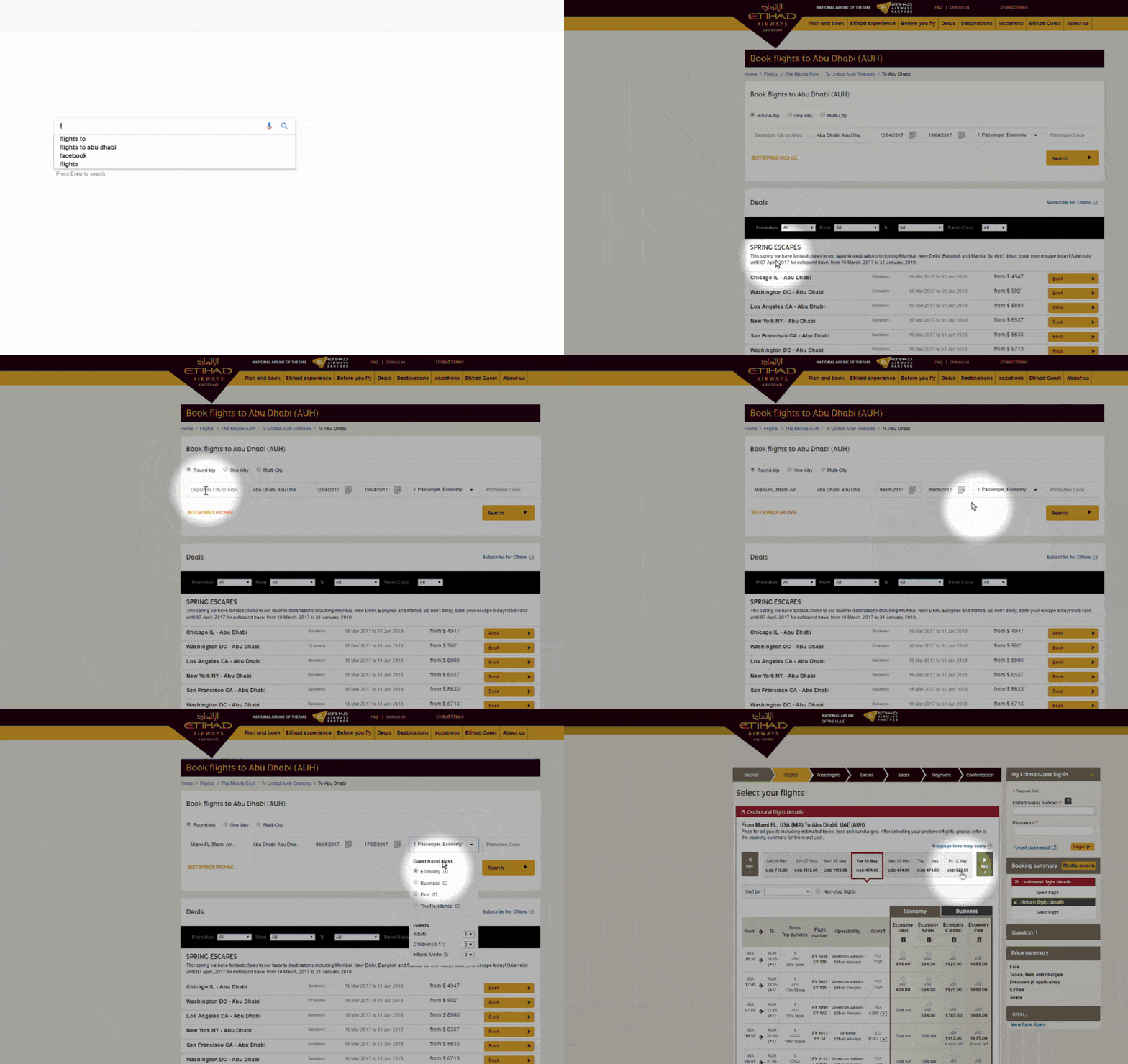
This data must be voluntarily entered by a user, either in a search engine or within an airline’s booking flow. This data can be used to supplement the browser-related information to provide the most relevant experience to that user.
In the example above, the user types in “flights to abu dhabi” in Google, showing the destination (“to”) that they are interested in (“abu dhabi”).
Continuing the booking flow to Etihad‘s site, we see the user has landed on a “Flights to Abu Dhabi” (user entered data) page showing all origins in the United States (browser-related information). Notice this doesn’t include an origin city because the user didn’t show clear intent about where they want to depart.
The next user-entered data points are the ones that further refine the available offers for that search request: “MIA” (Origin); “5/9/2017” (Departure Date); “5/17/2017” (Return Date); “1 Traveler” (Number of Travelers); “Economy” (Fare Class).
With this final set of data, Etihad’s booking engine is able to provide hyper-relevant flight options based on the combination of browser-related information and user-entered data.