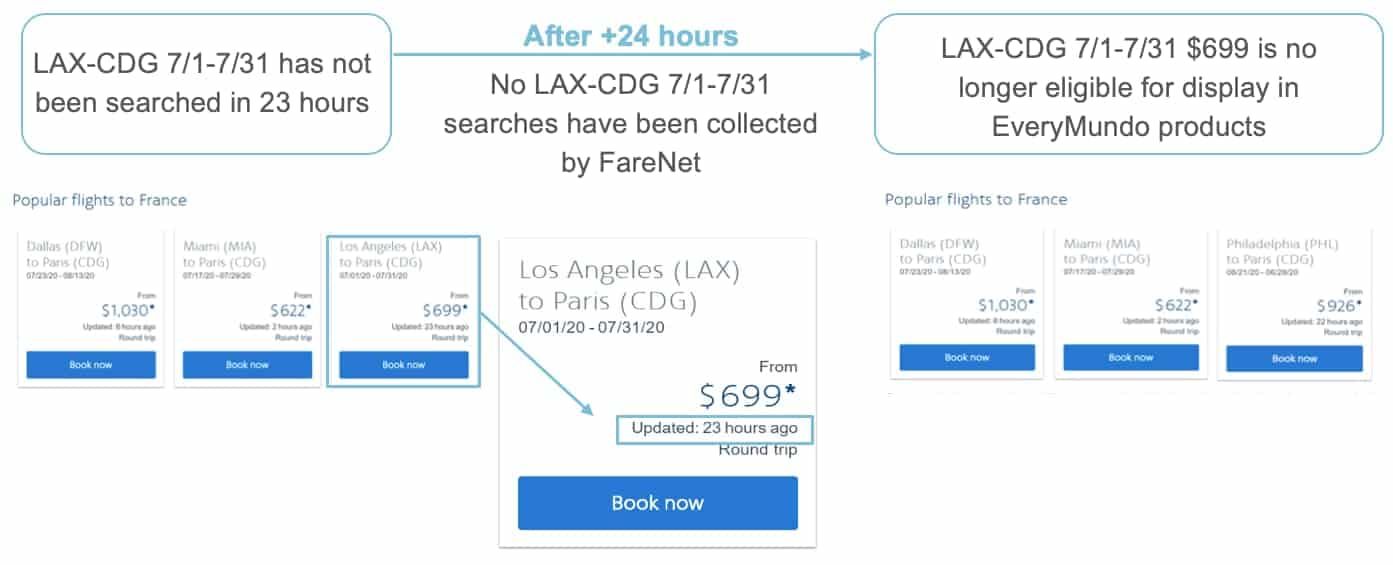
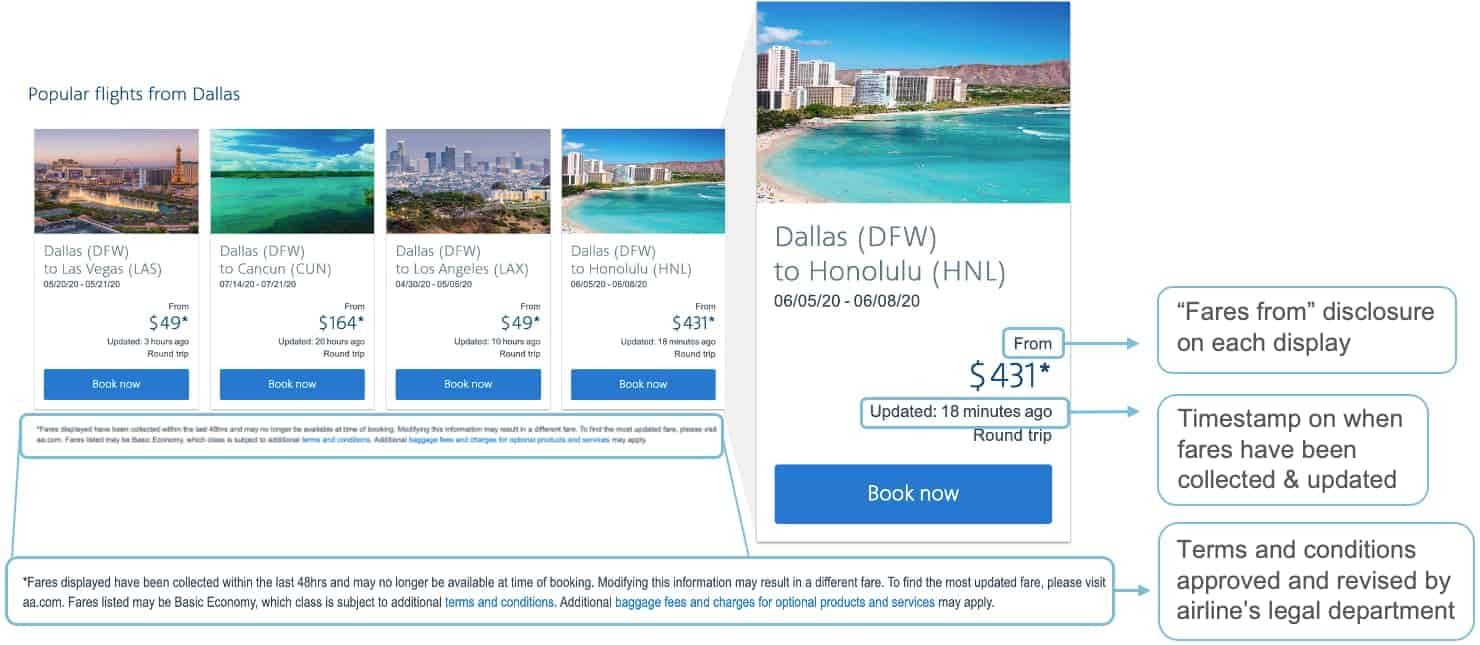
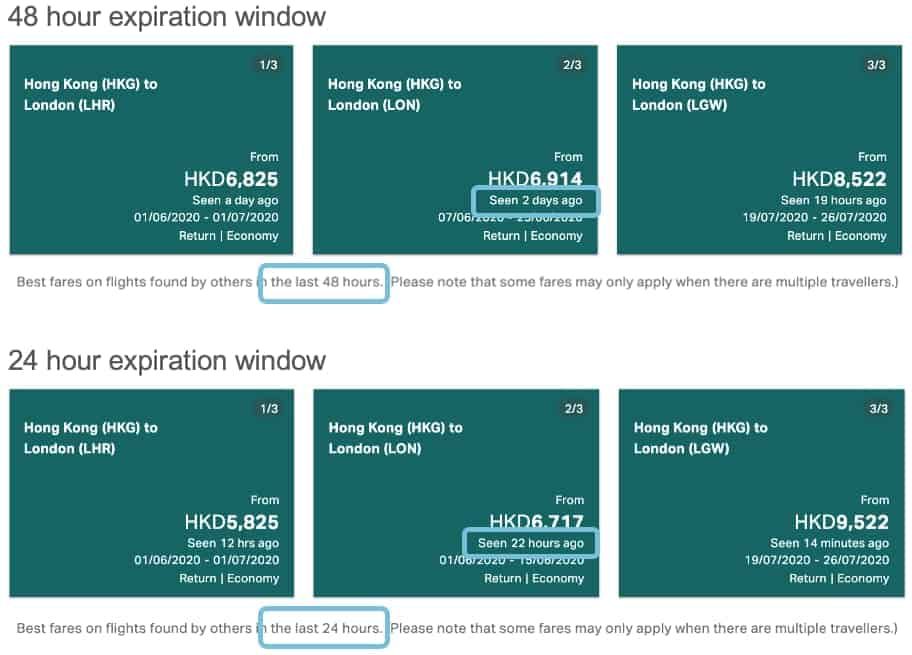
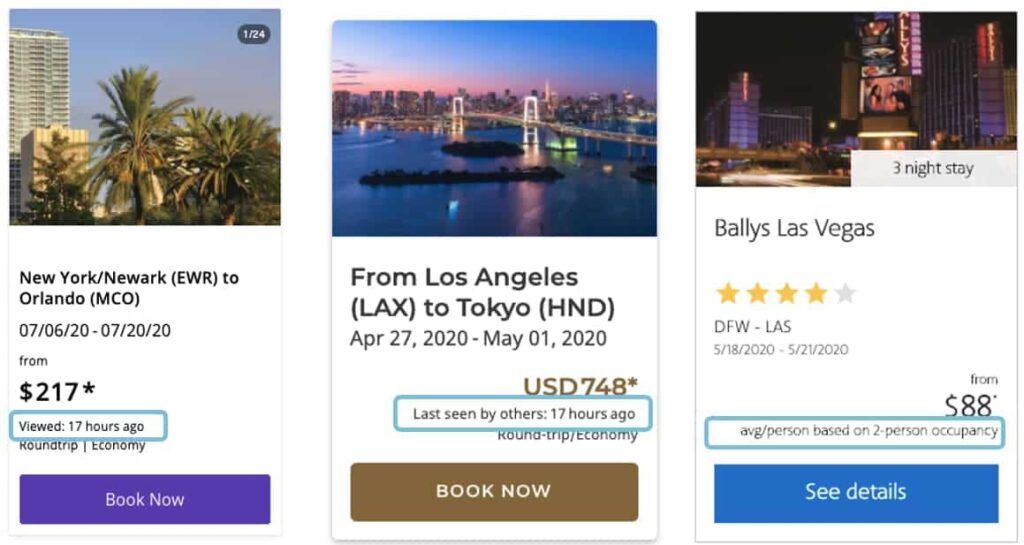
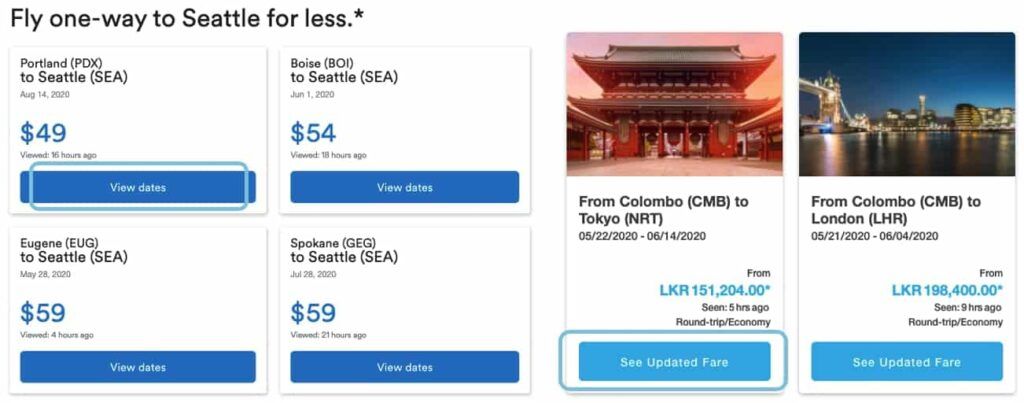
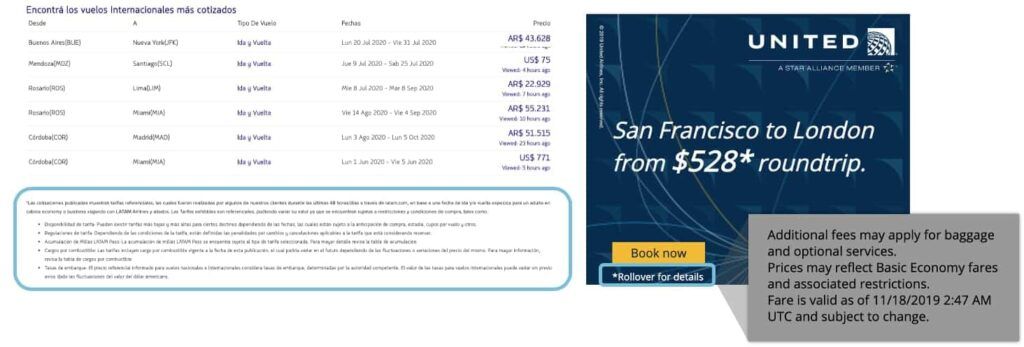
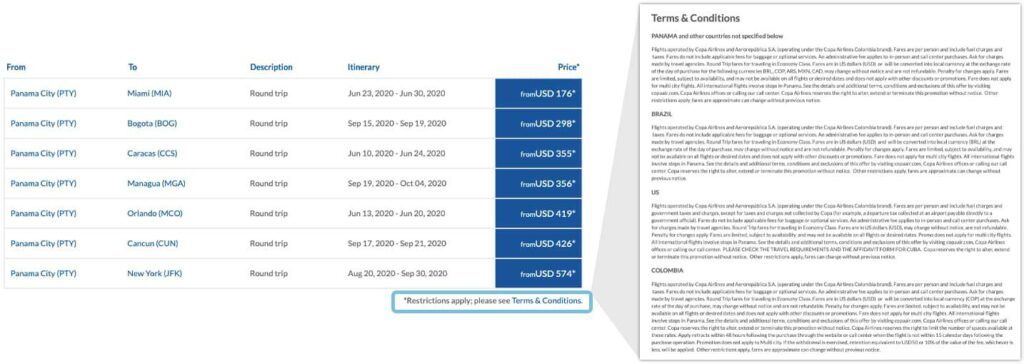
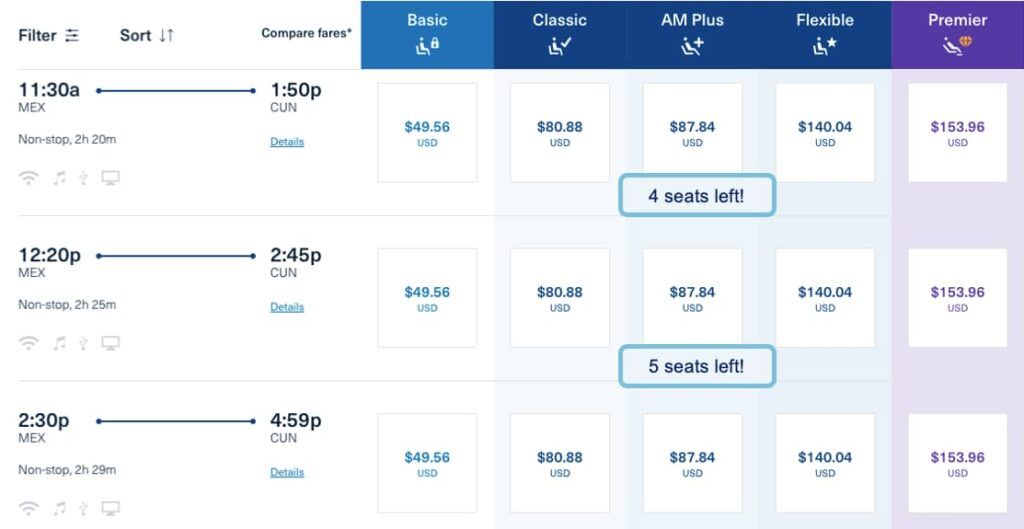
“Prompt action” will depend on the type of advertisement. If it is a print advertisement, the print ad must be pulled as soon as practically possible. If the advertisement is an Internet banner ad on the carrier’s own website, the ad must be pulled as soon reasonably possible, which should be quickly, e.g., within 24 hours or less. If the Internet banner ad is on another website, the Enforcement Office realizes it may take more time to pull that ad, but such an ad should be pulled or modified as soon as possible (in no case in more than a day or two). In Internet fare listings the available fare must be updated immediately. For fare specials that are posted on Twitter or Facebook, as soon as there is no longer a reasonable number of seats available at those fares, the Twitter feed and Facebook feed should be updated to reflect that those fares have sold out, or the Twitter posting or Facebook posting should be removed from the carrier’s feed.
airTRFX consideration
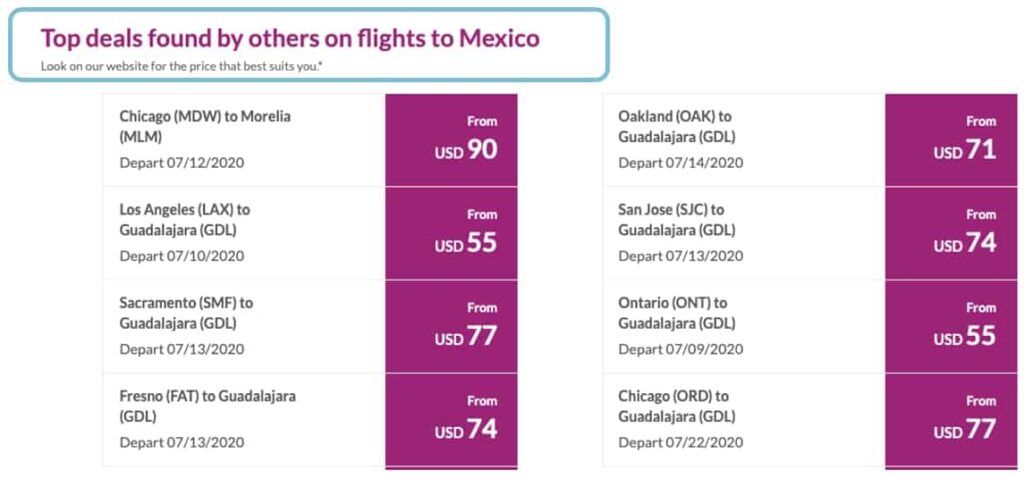
- Again, assuming that fare content displayed in airTRFX is an “ad”, it would likely qualify as either a “banner ad on the carrier’s own website” or an “Internet fare listing”
- For the former, an inaccurate fare advertised requires the advertiser to revise or remove the fare within 24 hours; for the latter, an inaccurate fare listed requires immediate revision or renewal.
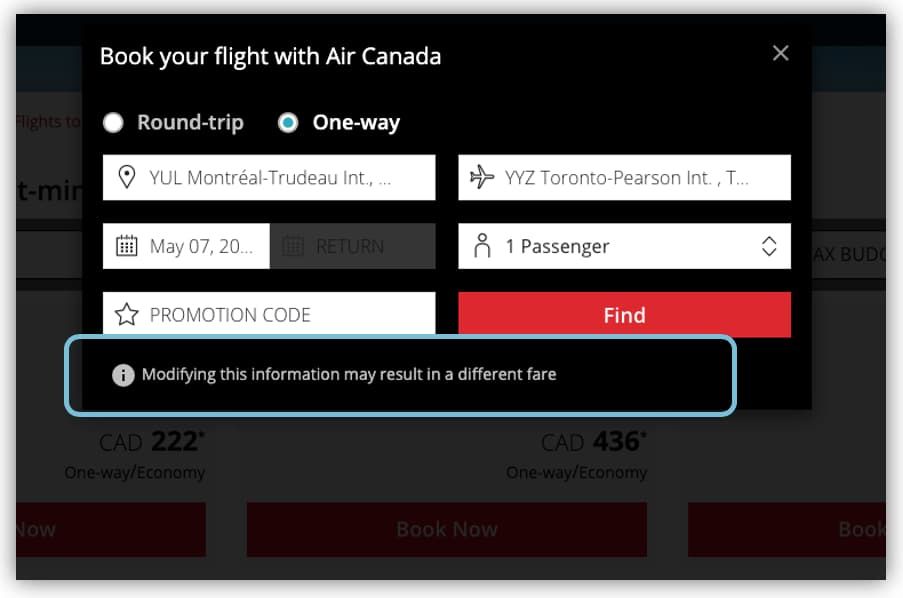
- Any fare displayed in airTRFX that proves to be inaccurate (i.e. a fare seen in airTRFX differs from the fare seen on the subsequent page in the booking engine) is instantly replaced by the new fare seen in the booking engine Fare Selection Page.