




In 2026, driving revenue requires complete commercial agility. The PROS Offer Platform Spring 2026 release includes several key feature updates designed to help you anticipate market shifts, structure compelling offers, and distribute them efficiently across every channel.
Whether you manage pricing strategies, oversee digital marketing, or direct distribution channels, this release provides the tools necessary to perform at your best, with a focus on creating smarter, more precise offers.
Turning Demand Shifts into Clear Insights and Sharper Pricing Decisions
For RM analysts, interpreting demand shifts from external events, booking curves, or market competition has always been a major hurdle. Not anymore.
This release equips your team with new analytical tools that cut through the noise. Gain clearer, more contextual insights into aggregate booking patterns and empower your analysts to make confident, data-driven pricing decisions that drive revenue and profitability.
Event Analysis in Forecast Workflow
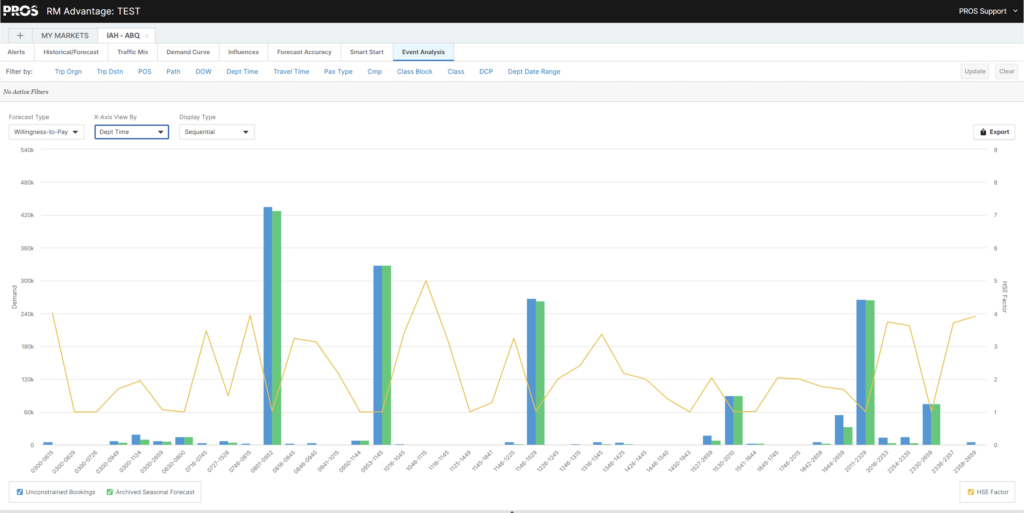
External events clearly impact demand, but analysts still struggle to understand how. The new Event Analysis view within the forecast workflow enables analysts to compare actual versus expected demand during specific holidays and special events. With that visibility, analysts can better understand how events influence demand, use those insights to adjust forecasts for future periods, and make more informed decisions.
Days Before Departure (DBD) Chart
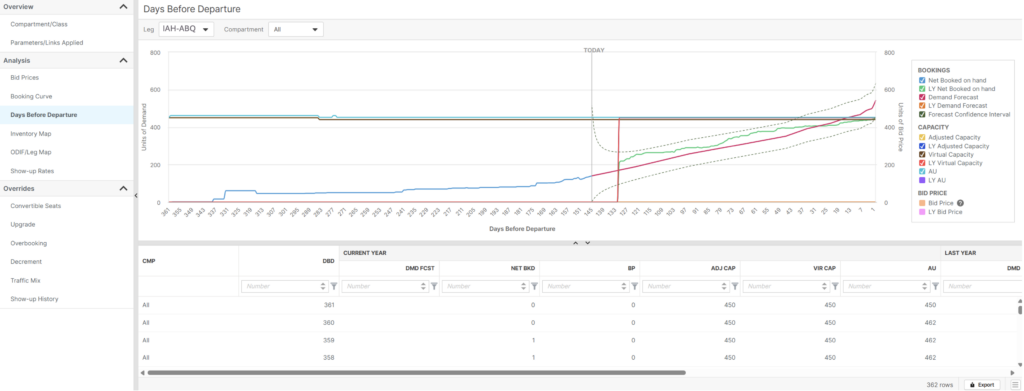
Beyond understanding demand drivers, analysts also need visibility into how bookings evolve over time. The new Days Before Departure (DBD) Chart links aggregate booking patterns, pricing, and capacity across the entire booking window. Analysts can now see a daily booking curve and compare it against bid price, capacity, and prior-year performance.
This full-window view reveals exactly how pricing and capacity decisions impact bookings over time, providing a data-driven way to identify spill and spoil scenarios and avoid leaving revenue on the table.
Improved UI for Competitive Strategies
Managing competitive strategies is often fragmented, making it harder to track performance and respond to market changes. For teams using Real-Time Dynamic Pricing (RTDP), the updated UI brings competitive strategies into a single, unified view within the workflow. You can directly create, edit, and manage strategies with new graphs and table views, making it easier to act on competitive changes as they happen, not after the fact.
Turning Complex Offers into Transparent, High‑Confidence Shopping Experiences
For eCommerce and distribution leaders, the challenge is no longer creating offers; it’s ensuring those offers are clear, comparable, and consistent across channels. Complex flight change pricing, delayed ancillary visibility, and fragmented NDC controls often introduce friction into the shopping and servicing journey. When travelers can’t easily understand what they’re paying for or why, hesitation increases and conversion suffers while operational teams are left managing exceptions and post‑booking corrections.
To address these challenges, the Spring 2026 release delivers granular offer control across the shopping journey and scales your direct distribution capabilities via NDC.
Re-Shopping & Repricing
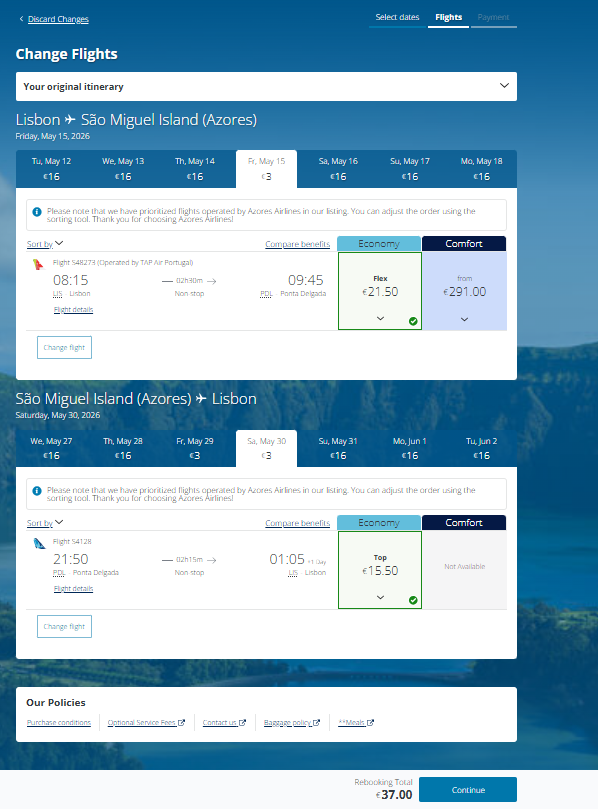
Flight change pricing often feels like a black box to customers, leading to hesitation during the re-shopping process. We introduced Re-Shop Change Cost by Bound to make change offers transparent and comparable. Travelers can now see per-bound change costs and structured change offers instead of a single, unclear total price. This transparency makes it easier to understand what they’re paying for, reducing ambiguity and driving higher conversion during re-shopping.
Ancillary Merchandising: Seat Map Pricing
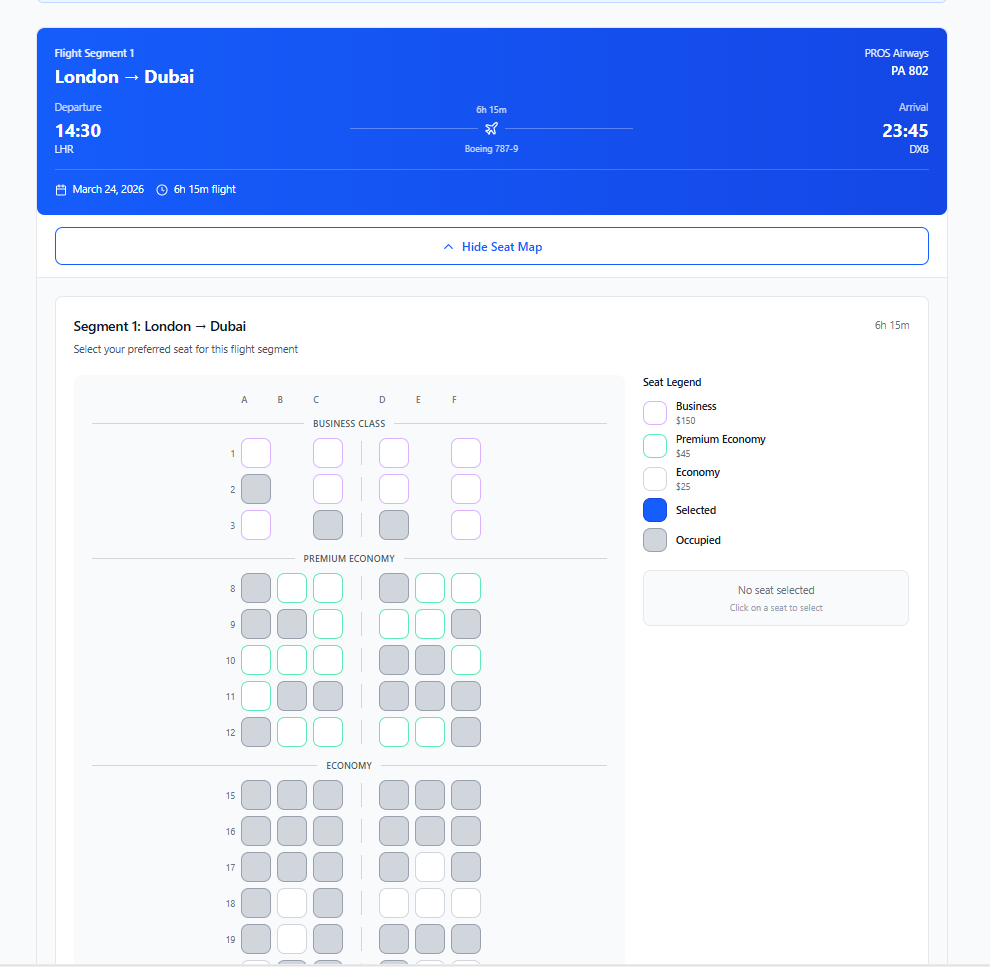
Seat options are often shown too late in the booking flow, limiting ancillary conversion. In our Spring 2026 release, seat map availability and pricing are now shown earlier in the shopping journey. Passengers can now see seat options during the initial search phase rather than after selecting a fare. With segment-level pricing, travelers can evaluate seat options before booking decisions are finalized, making seat selection easier and driving higher ancillary bookings.
NDC Gateway Updates
As direct distribution grows, control becomes critical. Carriers looking to expand their NDC strategy to gain greater distribution freedom must proactively manage who can access which offers, enforce commercial agreements, and ensure pricing and content consistency across channels and partners. The Spring 2026 release introduces several major updates to the NDC Gateway:
- Control Management: A central registry for agency management allows you to target fare access by agency or group. Granular payment controls by point of sale ensure distribution aligns exactly with your commercial agreements.
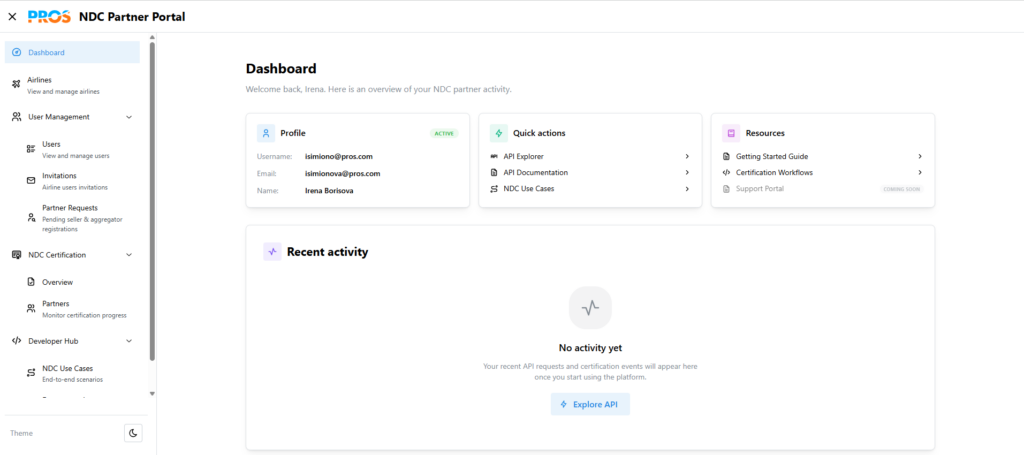
- NDC Portal Capabilities: Self-service partner registration, centralized API documentation, and automated testing significantly accelerate partner onboarding. You can scale your distribution expansion without increasing operational overhead.
- Spanish Resident and Family Discounts: We automated support for regulated pricing, such as Spanish resident and large family discounts. Real-time eligibility validation during shopping ensures accurate compliance without manual post-ticketing corrections.
- Post-Order Ancillary Services: Turn post-booking into a continuous revenue stream. We now support post-booking ancillary servicing via NDC, complete with real-time pricing and standardized selection flows across all channels.
Turning Insight into Execution with AI-Driven Campaign Activation
Building and maintaining global content, delivering relevant experiences across markets, and scaling paid search and media activation has traditionally required significant manual effort. The Spring 2026 release introduces new capabilities that help marketing teams execute faster by using market, itinerary, and demand signals to deliver more relevant experiences, reduce manual work, and scale activation across channels.
AI Agents for Content and Discovery
With airTRFX, AI now supports module translation, interlinking, and chatbot-style recommendations based on your airline’s data. This update helps automate key workflows, reduces manual effort, and enables faster multi-market launches.
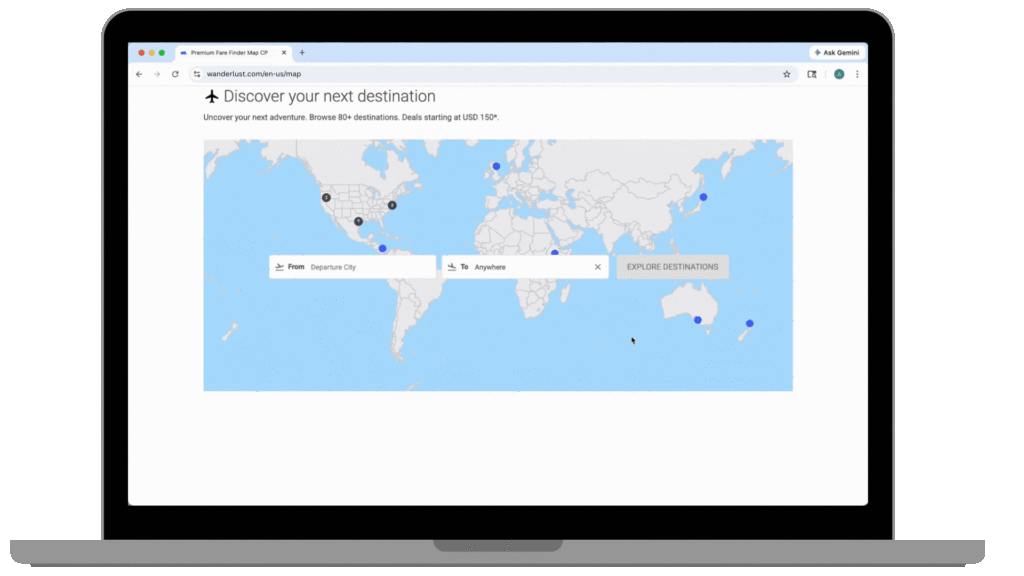
For travelers, airModules enhances the Fare Finder experience with more intuitive navigation and introduces a Premium Fare Finder Map powered by natural-language AI. The Premium Fare Finder Map interprets traveler intent, such as budget and seasonality, and shifts discovery from basic filters to more flexible, inspiration-led exploration.
Advanced Content Relevance Capabilities
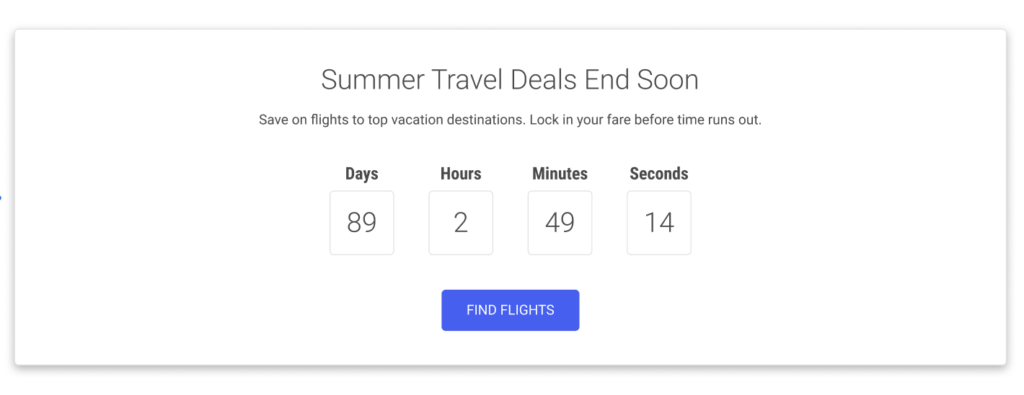
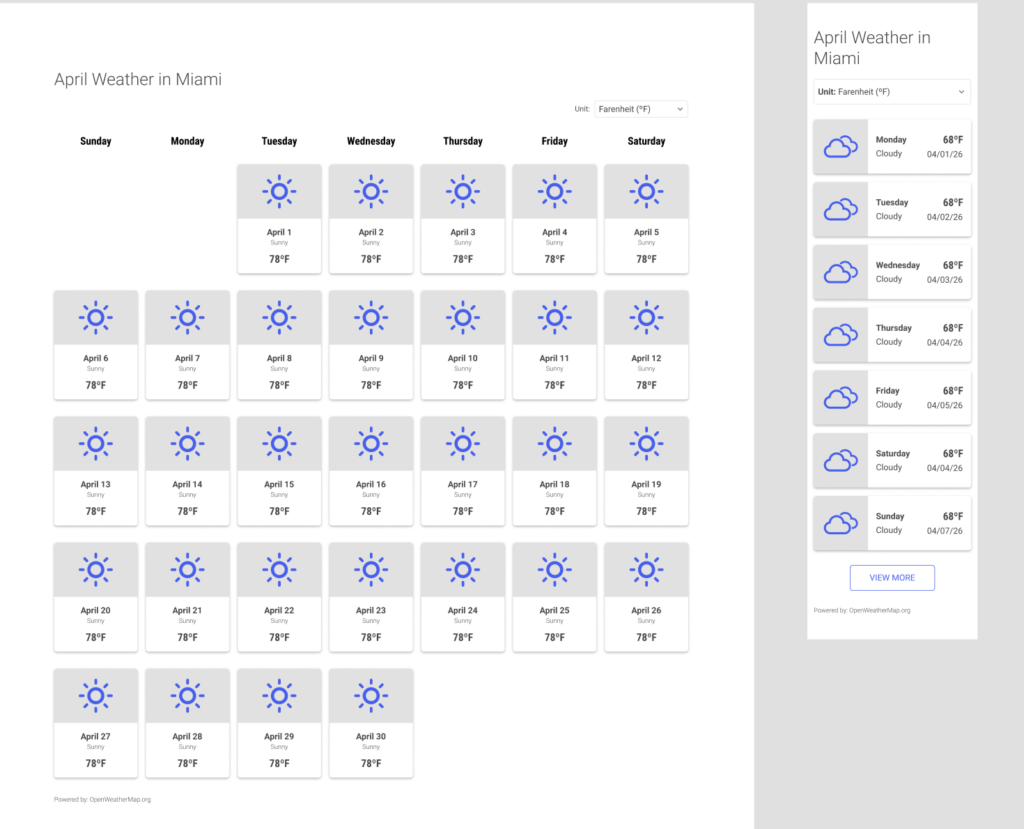
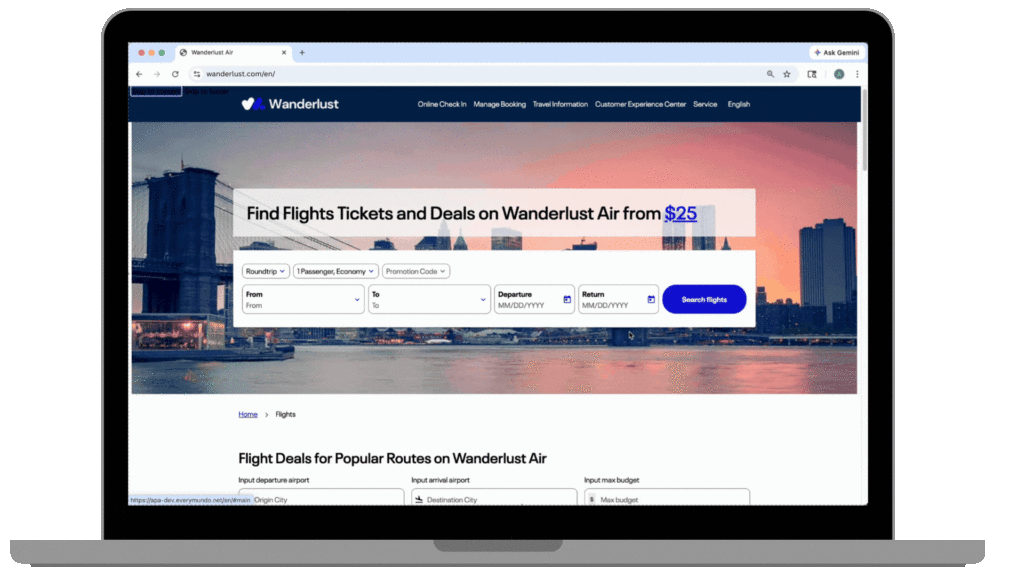
Marketers can now configure page structures without relying on engineering support. airTRFX Custom Pages feature drag-and-drop configurations for varied layouts, applying content relevance to structure, not just messaging. For airTRFX template pages, we also introduced demand activity-based widgets to the Premium Widget Library, including a Monthly Weather widget to help travelers decide the best time for travel and a Countdown Timer to add urgency to limited-time promotions.
To reduce friction before the search even begins, airModules now offers Calendar Fare Insights, displaying daily fares directly in the calendar to encourage flexible date selection. Furthermore, the Daily Histogram exposes the cheapest fares per day and month in the page source, making your pricing data accessible to search engines and AI-driven search tools.
Performance‑Driven Scale
Scaling your reach across paid channels requires automation and creative flexibility. We enhanced our intelligent activation tools to support performance-driven scale.
Intelligent Paid Media Activation
To scale creative performance without increasing manual work, airWire now supports multi-image integration for media endpoints. You can enable multiple destination images per endpoint and automatically rotate creatives across visually driven platforms like Meta and TikTok. This automation reduces creative fatigue and speeds up optimization without requiring you to duplicate feeds.
Intelligent Paid Search Activation
For search performance, airSEM now extends automation beyond non-brand campaigns. We introduced custom templates for Brand Campaigns. This provides centralized logic for keywords, negatives, and naming conventions. Your search campaigns activate instantly and consistently, allowing performance teams to focus on strategy optimization rather than manual campaign rebuilding.
Elevate Your Offers and Agility
The PROS Offer Platform Spring 2026 release provides the targeted tools airlines need to optimize revenue, streamline distribution, and deliver relevant experiences at scale. By connecting demand patterns directly to pricing and leveraging AI to automate complex marketing workflows, you can adapt faster to changing market conditions.
Embrace these new capabilities to reduce manual processes, capture new revenue opportunities, and deliver the clear, compelling offers your travelers expect. Reach out to your Customer Success Manager today to learn how to activate these features and drive stronger commercial performance across your organization.
FAQs
The release provides airlines with the visibility and control needed to create smarter, more precise offers. By connecting demand patterns to pricing and automating marketing workflows, airlines can adapt faster to market shifts, capture new revenue, and reduce manual work while efficiently distributing offers across all channels.
It provides revenue management and pricing analysts with greater visibility into demand, booking behavior, and competitive strategies, enabling more precise forecasting and data-driven pricing decisions.
It simplifies complex flight change pricing and moves ancillary options like seat selection earlier in the booking process, making the entire journey more transparent and familiar for customers.
It introduces AI agents that automate manual tasks like content translation and interlinking, which helps teams launch multi-market campaigns more quickly.
This release includes updates that automate creative rotation for visually driven platforms like Meta and TikTok, reducing manual work and creative fatigue.