




How airlines can transform digitally through offer optimization to better retail their products and services to travelers
As airlines accelerate on their path to commercial autonomy, achieving offer optimization is the critical enabler for meaningful airline retailing and profitable growth. In this blog post, we explore how airlines can achieve offer optimization and become better retailers by optimizing airline pricing and gaining control of the airline product.
What is Airline Offer Optimization?
Airline offer optimization is the core enabler of modern airline retailing. It is the ability of airlines to offer the right product mix to every passenger at a revenue-optimal price, regardless of the channel of interaction. Or in other words – it’s the epitome of digital retailing. Watch this video with Justin Jander, Director, Product Management as he explains the concept of airline offer optimization and what paths airlines can take in order to get there.

In this video
[00:46] Where Should Airlines Start with Offer Optimization?
[01:24] From RBDs to Class-free RM and Pricing: How to Leverage Price Elasticity
[02:28] What’s Next? How to Price Based on Passenger Segments?
[03:13] Whereto Beyond Pricing? How to Optimize Ancillary Revenue?
Where Should Airlines Start with Offer Optimization?
Airline Offer Optimization happens across two major axes: optimizing airline pricing and gaining control of the airline product. Airlines can start along any or both axes, depending on their business priorities and current market focus. Either route you take, there is incremental commercial value at every step of the way.
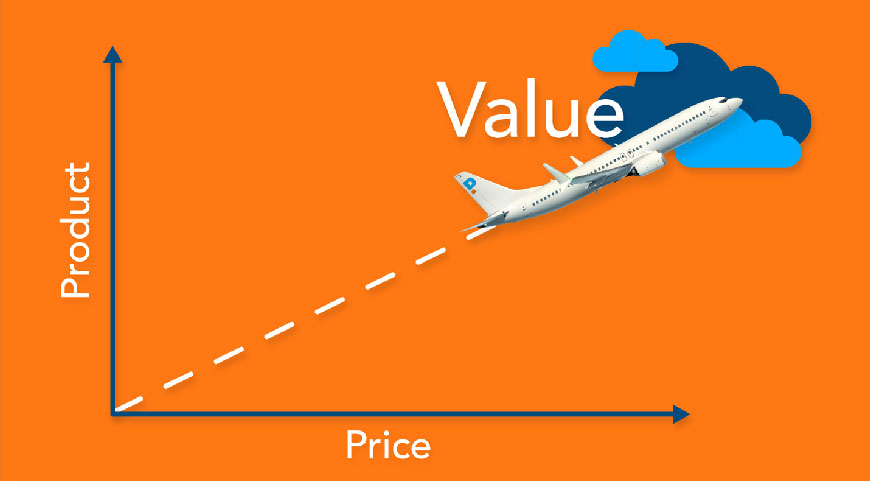
Since airlines have a strong innovation legacy in pricing, revenue management is a natural starting point for many airlines to lay the foundations for airline offer optimization. By shifting the emphasis from static class-based prices to dynamic definition of the entire airline product, airlines can manage the full offer – the right to fly as well as the optional services that may go with it. This brings airline retailing closer to the selling methods of modern digital commerce and opens untapped revenue potential from better shopping experiences.
From RBDs to Class-free RM and Pricing: How to Leverage Elasticity Forecasting
A promising starting point for airlines to advance toward true offer optimization is the adoption of dynamic pricing. Read more about what dynamic pricing in the airline industry is here. The rationale behind dynamic pricing is that traditional pricing, based on RBDs or classes, limits airlines to offer prices between two price points. This means that carriers are unable to capture demand at the right price, thus they are leaving money on the table.
The first step to forecast better, not based on class availability but based on demand elasticity across product categories, is to move to continuous pricing. This is where Elasticity Forecasting science comes in to help airlines scientifically combat buy-down and drive incremental revenue. Thanks to Elasticity Forecasting, revenue management analysts can leverage all price points to price continuously on the demand curve and improve price elasticity. The results – tapping into new revenue opportunities beyond classes to significantly impact yield and profitability.
What’s Next? How to Price Based on Passenger Segments?
With more flexibility in place, airlines can take their pricing to a whole different level by applying request- or context specific pricing. What this new approach to pricing enables airlines to do is to use the attributes of the passengers requesting an itinerary and provide them with optimized offers that match their needs. The dynamic aspect of this type of product differentiation is that it is continuously updated based on current demand levels, allowing airlines to better identify emerging demand patterns. An example of such market-based differentiation is blended travel. Based on specific buying batters for combined business and leisure travel, like times and days of departure, lengths of stay, O&D, number of passengers, trip attributes, and more, airlines can dynamically segment such travelers, offering them more relevant prices. This helps carriers stay on top of their markets by identifying aggregate booking patterns, demand elasticity across product categories, and emerging demand opportunities.
Whereto Beyond Pricing? How to Optimize Ancillary Revenue?
The sophistication of the Amazon-type of digital retailing is knowing what products and product bundles to recommend to shoppers. It’s no different with airlines. In addition to the flight, carriers need to be able to create, price, and present the most relevant optional products and services. This retail approach opens an additional ancillary revenue stream – the so called “second wallet” of travelers, which is a critical contributor today to the success of the low-cost business model.
Artificial Intelligence (AI) is a powerful enabler for ancillary offer optimization. Airlines can leverage AI and science to dynamically rank, bundle, and price ancillary offers and impact the likelihood of purchase. The ranking of ancillaries is ensuring that the order in which a passenger is presented the ancillaries is optimal based on the passenger’s segment to maximize conversion. The bundling is an extension of ranking, whereby bundles of ancillaries are created. Once again with the idea being to drive sales, the passenger is presented a set of ancillaries that they have a higher likelihood of buying together. Last is the concept of pricing these ancillaries by identifying the price elasticity of the passenger segment for the given ancillary or set of ancillaries.
A small increase in the average ancillary basket size can mean significant revenue per passenger growth and serious customer satisfaction. Even if your airline is not AI-ready yet, here is a starting point with ways to grow your ancillary revenue.
To learn more about the path to Offer Optimization for your airline reach out to PROS at airlines@pros.com or check out the PROS Platform for Travel here.